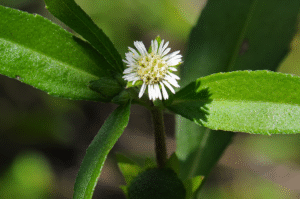



Common Wireweed is a hardy and adaptable plant found in a variety of environments across different regions of the world. Recognized for its wiry stems and resilient growth habit, Common Wireweed has attracted the attention of botanists, gardeners, land managers, and nature enthusiasts alike. Understanding its characteristics, ecological role, and growth patterns can help individuals identify and manage this plant effectively while appreciating its place within natural ecosystems.
Common Wireweed thrives in disturbed soils, open landscapes, roadsides, grasslands, and coastal environments. Its ability to establish itself in challenging conditions makes it a notable species in areas where other plants may struggle to survive. Although often considered a weed due to its persistence, Common Wireweed contributes to biodiversity and serves various ecological functions.
Identifying Common Wireweed
One of the defining features of Common Wireweed is its tough, slender stems that create a wire-like appearance. These stems are often branching and can spread across the ground or grow upright depending on environmental conditions. The leaves are generally small and simple, helping the plant conserve moisture in harsh environments.
The plant produces small flowers that may not be immediately noticeable but play an important role in reproduction. After flowering, seeds develop and are dispersed through natural mechanisms such as wind, water, and animal activity. This efficient reproductive strategy contributes to the widespread distribution of Common Wireweed.
When identifying Common Wireweed, observers should focus on its wiry growth habit, small leaves, branching stems, and adaptability to various habitats. These features distinguish it from many other common ground-covering plants.
Natural Habitat and Distribution
Common Wireweed is known for its remarkable adaptability. It can grow in sandy soils, rocky terrain, compacted ground, and nutrient-poor environments. This flexibility allows the plant to establish itself in both natural and human-altered landscapes.
The species is frequently found along roadsides, pathways, coastal dunes, grasslands, vacant lots, and agricultural margins. Areas that experience periodic disturbance often provide ideal conditions for Common Wireweed growth. Its tolerance for drought and environmental stress enables it to survive where many less resilient species cannot.
In coastal regions, Common Wireweed may help stabilize soil and reduce erosion. In inland environments, it often becomes part of pioneer plant communities that colonize exposed ground after disturbance events.
Growth Characteristics
The growth pattern of Common Wireweed reflects its survival-oriented nature. It develops a strong root system capable of accessing water from deeper soil layers. This adaptation enhances its drought tolerance and supports growth during dry periods.
The plant can spread efficiently through seed production and, in some cases, vegetative growth. Once established, Common Wireweed may form dense patches that compete with neighboring vegetation for sunlight, nutrients, and water.
Seasonal growth varies depending on climate and location. In warmer regions, the plant may remain active for extended periods, while colder climates can slow development during winter months. Despite these seasonal variations, Common Wireweed demonstrates consistent resilience and recovery.
Ecological Importance of Common Wireweed
Although many people view weeds negatively, Common Wireweed provides several ecological benefits. It contributes to soil stabilization, particularly in areas vulnerable to erosion. Its root system helps hold soil particles together, reducing the risk of displacement caused by wind or water.
The plant also offers habitat and shelter for small insects and other organisms. Flowers can provide nectar and pollen resources for pollinators, supporting local biodiversity. In ecosystems where vegetation cover is limited, Common Wireweed may serve as an important component of habitat structure.
Furthermore, pioneer species like Common Wireweed often play a role in ecological succession. By establishing on disturbed ground, they help prepare the environment for the eventual growth of additional plant species.
Uses and Practical Applications
While It is not widely cultivated as an ornamental plant, it has practical significance in certain contexts. Environmental restoration projects may benefit from its soil-binding capabilities. In regions prone to erosion, naturally occurring populations can contribute to landscape stabilization.
Traditional plant knowledge in some areas may associate wireweed species with local medicinal or cultural uses. However, any medicinal application should be verified through credible scientific and professional sources before use.
Researchers also study resilient plants such as Common Wireweed to better understand stress tolerance, adaptation, and ecosystem recovery processes. Insights gained from these studies can support sustainable land management practices.
Common Challenges Associated with Wireweed Growth
Despite its ecological benefits, It can become problematic when it spreads aggressively. In agricultural settings, dense growth may compete with crops and reduce productivity. Gardens and landscaped areas may also experience challenges when the plant establishes itself in unwanted locations.
Its extensive root system and efficient seed production can make removal difficult. If left unmanaged, populations may expand rapidly and occupy available space. Effective management often requires early detection and consistent monitoring.
Landowners and gardeners should assess whether it is causing significant ecological or economic impacts before implementing control measures. In some situations, maintaining limited populations may be more beneficial than complete removal.
Managing Common Wireweed Effectively
Successful management begins with accurate identification. Misidentification can lead to ineffective control efforts and unintended consequences for desirable plant species.
Mechanical removal is often suitable for small infestations. Hand pulling and digging can be effective when performed before seed production. Ensuring that roots are removed helps reduce the likelihood of regrowth.
For larger populations, integrated management strategies may be necessary. These approaches combine monitoring, physical removal, habitat management, and selective control methods where appropriate. Maintaining healthy vegetation cover can also limit opportunities for it establishment by reducing exposed soil.
Long-term success depends on addressing the environmental conditions that favor growth. Improving soil health, minimizing disturbance, and encouraging competitive native vegetation can reduce the likelihood of recurring infestations.
The Role of Common Wireweed in Ecosystem Resilience
Plants like Common Wireweed illustrate nature’s ability to adapt to challenging conditions. Their presence often signals ecological processes that are actively shaping landscapes. While some land managers may focus on controlling its spread, others recognize its value in stabilizing soil and supporting early-stage habitat development.
Understanding the broader ecological context helps create balanced management decisions. Rather than viewing it solely as a nuisance, it is important to consider both its benefits and potential drawbacks within specific environments.
As climate conditions continue to change, resilient species may play increasingly important roles in maintaining ecosystem function. Studying these plants contributes to a deeper understanding of adaptation, biodiversity, and environmental sustainability.
Conclusion
Common Wireweed is a resilient plant known for its wiry stems, adaptability, and ability to thrive in diverse habitats. Found in roadsides, grasslands, coastal regions, and disturbed soils, it plays a role in soil stabilization, ecological succession, and biodiversity support. While it can become invasive in some situations, proper identification and management allow landowners and environmental professionals to balance its ecological benefits with practical concerns. By understanding the growth habits and environmental significance of Common Wireweed, individuals can make informed decisions regarding its conservation, control, or study.